Sprint or Grand Prix Distance: Two Different Race Shapes
Sprint or Grand Prix distance changes which decisions matter most. Learn to read pace, pit-stop pressure, track position, and the battles that shape each format.
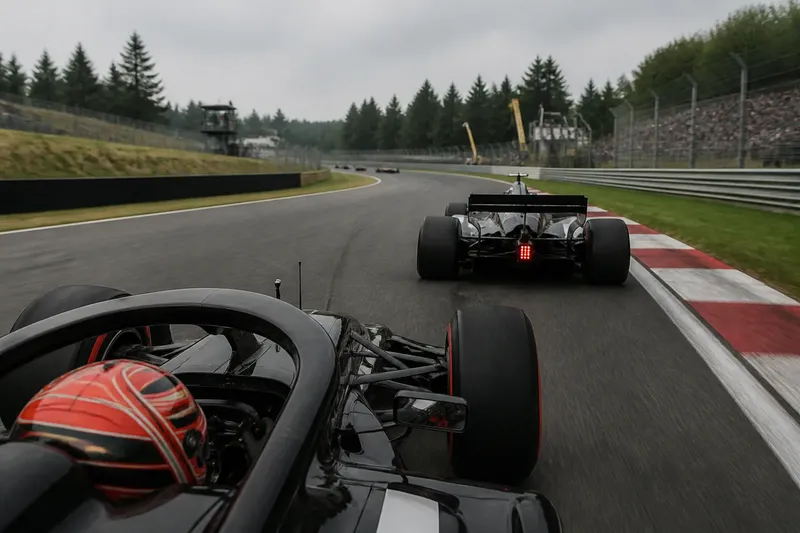
Sprint or Grand Prix distance changes which decisions matter most during a race. In a sprint, a lost position can be difficult to recover; over a longer Grand Prix, pit stops, tire wear, and changing pace may create new chances. The exact rules vary by series, so check each event’s format before interpreting its strategy.
A short race can look frantic at the start and then settle into a line of cars. A longer one may seem quiet before a stop or a change in pace reshapes the order. Instead of asking which format is better, watch how distance affects the choices drivers and teams can make.
Sprint race patterns
A sprint may open with several passing attempts, then settle when the cars are closely matched. A driver behind may be close enough to threaten but not close enough to pass. With less time to build an advantage, the driver ahead can focus on defending position rather than managing a long stint.
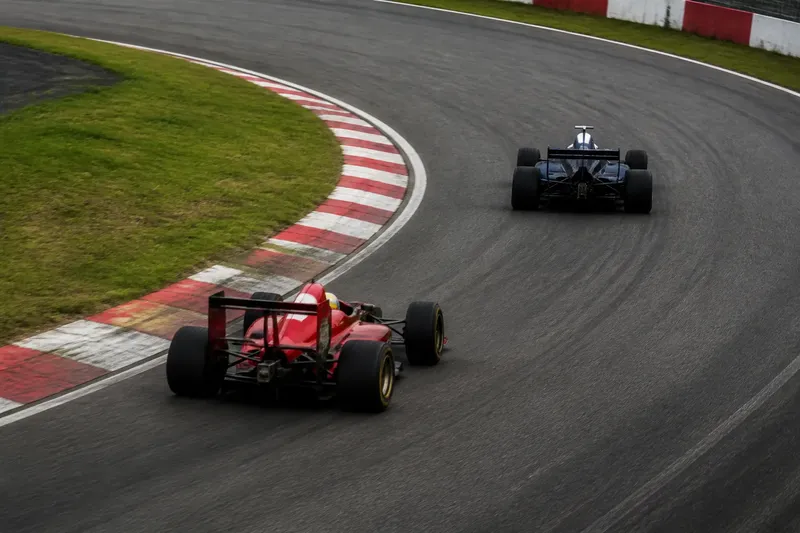
Follow one pair of cars rather than scanning the whole field. Notice whether the trailing driver gets close in the same corners and whether the leader changes lines to defend. If the gap stays similar and no move develops, the contest may be constrained by track position, not a lack of effort. A restart, small error, or change in grip can still alter the pattern.
Teams may also have fewer strategic options in a sprint. If the event has no required stop, or permits only a narrow range of choices, the result depends more directly on the start, pace, and overtaking. Check the event rules before expecting a pit window to create a second contest.
Long race rhythms
A Grand Prix can include stretches with few visible position changes. Drivers may manage tires, fuel where relevant, or their pace while teams wait for a suitable pit-stop opportunity. These choices can matter even when the cars appear to circulate at steady intervals. Pushing too hard early may reduce a driver’s pace later; preserving too much may cost track position.
To read a quiet stint, follow a few cues: the gap between nearby cars, whether a driver is gaining or losing time, and when each team chooses to stop. A pit stop can change the order without a pass on track. Compare positions before and after the stops, then note whether each driver returns to clear track or traffic.
Say you are watching an invented race in which a driver runs behind a rival, then stops earlier and rejoins in open track. The early stop leaves that driver temporarily behind, but the clear space offers a chance to build pace while the rival remains in traffic. Watch whether the gap changes before the rival stops; that helps you judge the call without assuming an early stop must succeed.
Risk and recovery
In a sprint, a mistake can use up much of the remaining opportunity. A wide exit, missed braking point, or slow launch may leave little time to recover. That can encourage decisive early racing, but the risk of contact may also make a driver cautious if it could end a strong result.
A longer race offers more time to recover from a small loss, but not unlimited time. A driver may need to pass a rival, preserve the car, and keep a planned stop viable. A move that gains a place can still cost time if it compromises the next corner. After a pass, watch whether the driver pulls away or remains vulnerable to another challenger.
Race length does not determine aggression on its own. Starting position, weather, tire rules, safety-car procedures, and championship context can change the incentives. A sprint can involve strategic decisions, while a Grand Prix can become a direct fight from the opening lap. Treat distance as one influence, not a complete explanation.
Questions about race distance?
Why does a sprint start feel more urgent?
There is less time to recover a lost place, so drivers may look for opportunities early. The opening still depends on the grid, car pace, and each driver’s appetite for risk.
Do Grand Prix races always include pit stops?
No. Stop requirements and permitted strategies depend on the series and event. Check the published sporting rules before using pit strategy to explain the result.
Why can a driver slow down without being passed?
The driver may be managing tires, fuel, brakes, or another limit, or responding to traffic ahead. Lap times and changing gaps can reveal the effect even when the running order stays the same.
What should I watch when the race seems quiet?
Choose two cars and follow their gap, pace, and position around stops or restarts. This gives you a concrete thread to follow without expecting every lap to include a pass.
What to follow
In a sprint, watch the start, the first close battle, and any restart or incident that changes the order. Then ask whether the cars behind can stay close enough to attack. If they cannot, the remaining contest may be about defending a position or maintaining a gap rather than repeated overtaking.
In a longer race, note the order of stops and the traffic each driver encounters afterward. Team radio may explain a change of plan, but distinguish an announced intention from the result: the driver still has to make the strategy work on track. Changing gaps, clear running, and a rival’s response are visible clues.
When comparing sprint or Grand Prix distance, focus on the decisions each format brings into view. A sprint often centers on immediate position and limited recovery time; a longer race can spread the contest across pace management, stops, and changing conditions. The distance itself is a useful clue, but the rules and track position show what those choices mean in a particular race.