The Myth of the Most Powerful Racing Car
The most powerful racing car is not automatically the fastest. Learn how traction, weight, aerodynamics, cooling, and reliability shape usable pace.
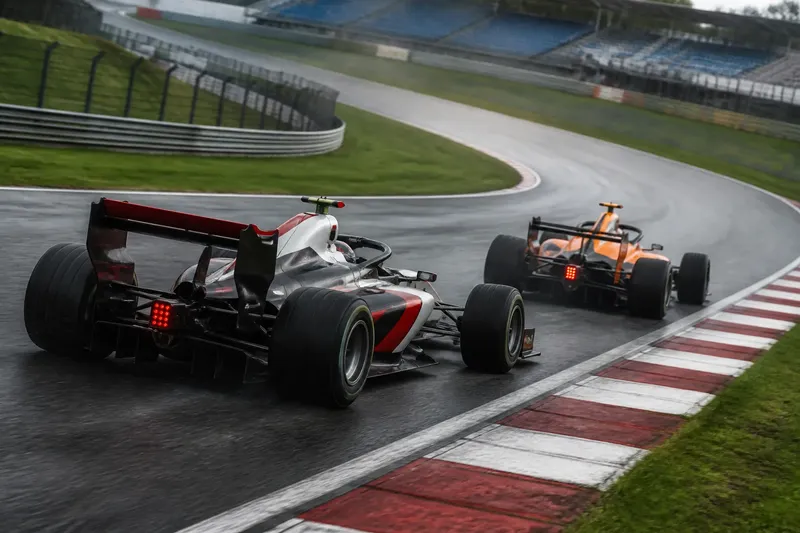
A car with the highest peak power can still lose time to a less powerful rival. The most powerful racing car is not automatically the fastest because engine output matters only when the tires, chassis, aerodynamics, and transmission can turn it into forward motion around the whole circuit.
Peak power is a useful specification, but it describes just one point in an engine’s operating range. A competitive machine is a set of linked compromises: adding power can demand more cooling, alter weight distribution, or make traction harder to manage. To judge what a car can do, look beyond its headline figure and ask how its systems work together.
What peak power means
Peak power is the greatest rate at which an engine produces work under specified conditions. It does not tell you how much torque is available at every engine speed, how quickly the engine responds, or how effectively that output reaches the track. Two engines with similar peak figures may feel quite different to a driver because their useful power arrives in different ways.
Gearing helps connect engine output to a car’s speed. A team can choose gear ratios that keep the engine in a useful range, but a setup that suits one circuit may be less suitable elsewhere. The car must also transfer force through its clutch, transmission, differential, and driven tires. Power that overwhelms the available grip becomes wheelspin rather than acceleration.
How traction limits power
Traction is the tire’s ability to transmit force to the track surface. It changes with tire condition, surface temperature, corner shape, and how smoothly the driver applies the throttle. When a driver asks for more force than the tires can provide, they may spin or slide. That can cost time and place extra demands on the tires.
This is why usable power matters more than peak power in many corners. A car that applies its output cleanly can accelerate earlier, while a more powerful car may need the driver to wait or use a gentler throttle. The best balance depends on where the circuit asks for acceleration and how the car behaves as grip changes.
Imagine two fictional cars leaving a slow bend onto a straight. The first has more peak power but struggles to put it down; its driver eases onto the throttle to control wheelspin. The second has less peak power and stronger traction, so its driver can accelerate sooner. The expected observable difference is a cleaner exit for the second car, even if the first later reaches a higher speed.
Why weight changes the picture
Weight affects how a car changes speed and direction. A heavier car generally needs more effort to accelerate and brake, and its mass must be managed through corners. But weight cannot be considered apart from its placement: a car’s balance influences how the tires share their work and how predictable the car feels to its driver.
Adding power may also require stronger or more substantial components. Cooling systems, brakes, and transmission parts all have jobs to do, and their design can affect mass and packaging. Engineers therefore weigh an engine’s output against the rest of the car rather than treating extra power as a free gain.
Weight distribution matters, too. If one end of the car carries too much of the load, its tires may reach their limits before the others. Teams adjust setup to help the car behave across braking, cornering, and acceleration, but there is no single balance that suits every circuit or driving style.
What aerodynamics contribute
Aerodynamics describes how air moves around the car. Wings and the car’s body can create downforce, which presses the tires toward the track and can help them generate grip, especially through faster corners. The tradeoff is drag: the air resistance that makes it harder for the car to gain or maintain speed on a straight.
More downforce is not automatically better. A high-downforce setup may help in corners but create more drag, while a lower-drag setup can favor straight-line speed yet offer less aerodynamic support. Teams choose a compromise based on the circuit and the car’s overall behavior. Peak engine power cannot erase a setup that gives away too much speed or confidence elsewhere.
Airflow also has to serve practical needs. The engine, brakes, and other components need cooling, and the car’s bodywork must direct air while meeting the series’ technical rules. A design decision can therefore affect speed, tire grip, and component temperatures at once.
How reliability affects pace
Race performance is not just the speed a car can show in a short burst. The engine and supporting systems must work through the demands placed on them during competition. A design that makes impressive power but runs into trouble may deliver less useful performance than a car with a more modest, dependable output.
Teams also manage how hard the machinery is being asked to work. The balance between pushing for pace and protecting components depends on the event, the car’s condition, and the information available to the team. This is one reason a single peak figure cannot describe a machine’s likely contribution across a race.
Which questions clarify speed?
Does more horsepower always mean a faster car?
No. More horsepower can help when the tires can use it and the car’s setup supports acceleration, but it does not by itself resolve limits in traction, drag, handling, or reliability. The result depends on the full machine and the circuit.
Why can a less powerful car be quicker in corners?
Corner speed depends on grip, balance, aerodynamic support, and driver confidence, not engine output alone. A car that responds predictably may carry more speed through a bend, while a powerful car with less grip or a less settled balance may need to slow down.
Is torque more useful than peak power?
Torque is the twisting force an engine produces; power reflects how quickly that work is done. Both matter, but neither figure alone describes acceleration at the wheels, where gearing and traction also shape the result.
What should I compare between racing cars?
Compare how each car uses its power, manages its tires, handles airflow, and maintains dependable operation. If available, observations from different parts of a circuit can help distinguish straight-line pace from cornering and acceleration performance.
Read the whole machine
The most powerful racing car is a tempting label because it reduces a complicated design to one number. A more useful judgment asks whether the car can deliver its output through the tires, keep its balance, manage air resistance and cooling, and remain capable throughout the event.
When comparing cars, treat peak power as a clue rather than a verdict. Notice where each machine gains or loses ground, and consider what its design must trade to do so. That broader view explains why a competitive racing car is rarely defined by its strongest component alone.